
Strength Training After Menopause: Protect Bone Density, Strength and Metabolism
If you’re a woman over 50 and noticing changes in your strength, balance, or body composition, you’re not imagining it.
After menopause, lower oestrogen levels can accelerate bone density loss, muscle loss, weight gain, and reduced balance, increasing the risk of osteoporosis and falls. For many women, this can feel frustrating, especially when walking and general activity no longer seem enough.
The good news is that strength training is one of the most effective ways to protect your body after menopause.
At our clinic in Murgon, we regularly help women improve bone health, rebuild strength, and regain confidence with safe, progressive resistance training.
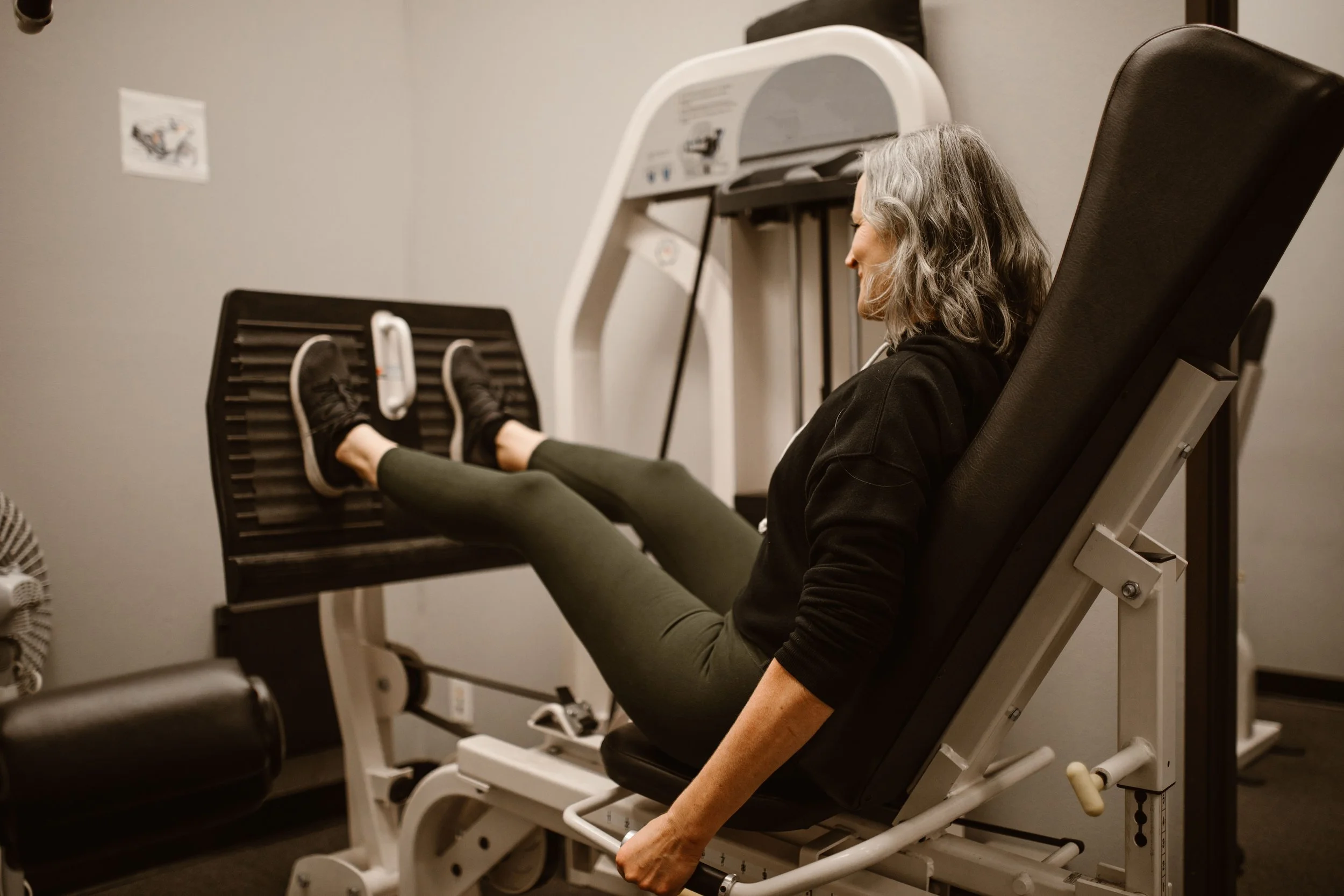
Strength training is important to continue to participate in social activities safely and remain independent as you age
Why Strength Training Matters After Menopause
After menopause, the body becomes more responsive to the type of exercise you choose. While walking, stretching and general movement are valuable, resistance training provides the mechanical loading needed to maintain muscle and bone tissue.
For women concerned about:
osteoporosis
weight gain
reduced muscle tone
poor balance
fear of falls
Strength training directly targets the root cause. Exercise is one of the most effective ways to build and maintain strong, healthy bones throughout your life. It supports bone development during childhood, helps maintain bone and muscle strength in adulthood, and improves balance, mobility, and independence as we age.
Bone Density and Osteoporosis Prevention
One of the biggest health risks after menopause is reduced bone mineral density. Studies show that bones become stronger when they are exposed to controlled impact and resistance from muscle contractions. Although all forms of physical activity can benefit your overall health, certain types of exercise (bone loading exercise) are particularly important for improving and maintaining bone density. The most effective exercises for bone health are outlined below. This is especially important for women who want to stay active with grandchildren, travel, golf, tennis, walking groups, or simply remain independent long term. Without regular bone-loading exercise, the spine, hips, and femoral neck can lose density faster, increasing fracture risk.
This is why strength training is one of the most effective non-medication strategies for osteoporosis prevention and management.
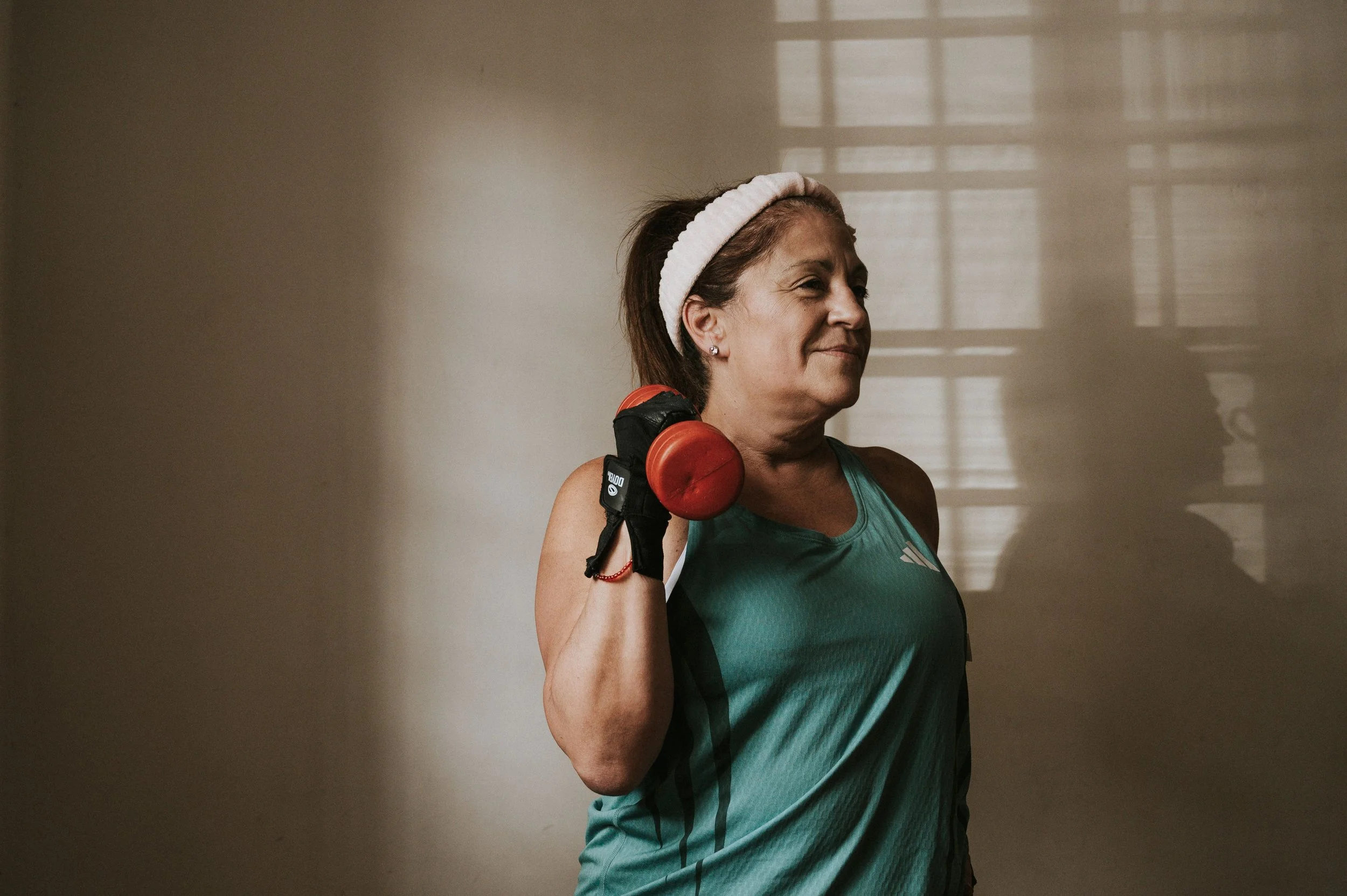
At South Burnett Physiotherapy, we focus on:
safe lower limb loading
hip and spine strengthening
posture and trunk strength
balance retraining
progressive resistance exercise
This helps improve the exact physical qualities linked to lower fracture risk and better long-term independence.
For women who already have osteopenia or osteoporosis, supervised exercise physiology is especially valuable because the program can be modified around movement precautions and confidence levels.
Muscle Mass, Metabolism and Menopause Weight Gain
One of the most common concerns we hear from women in the South Burnett area is: “I’m doing the same things but gaining weight around my middle.” This is extremely common after menopause. Hormonal shifts combined with age-related muscle loss can reduce resting metabolic rate, making fat gain easier even when nutrition habits stay similar.
Strength training helps by:
preserving lean muscle mass
improving insulin sensitivity
increasing daily energy expenditure
supporting healthier body composition
improving confidence with movement
Rather than relying on more cardio, many women get better long-term results by focusing on building strength first.
Balance, Falls and Staying Independent
Falls become more concerning after menopause because lower bone density and slower strength responses increase fracture risk. We encourage individuals to remain as independent as possible, for as long as possible, ensuring they have the strength, mobility and movement to participate in the activities that are important to them and remain engaged in their social groups. Research has demonstrated this is important in mental health outcomes and overall longevity.

The right resistance training program improves:
leg strength
stepping confidence
coordination
reaction speed
balance
ability to recover from trips and stumbles
functional movements of everyday life (such as getting up from the floor, up and down stairs safely, in and out of the car)
ability to lift, carry and move in ways that are meaningful to you.
This is why we combine strength and balance work in our exercise physiology programs for women over 50 in the South Burnett area. We set realistic goals and expectations with you, facilitating a comprehensive program. The real goal is not just “fitness”. It is staying capable, strong, and independent for years to come. Working with an Accredited Exercise Physiologist can make a major difference in designing a program that’s right for you.
The Best Time to Start Is Now
If you are post-menopausal and worried about osteoporosis, weight gain, or loss of strength, resistance training is one of the most powerful tools available to you.
With the right program, you can:
improve bone density
rebuild strength
improve balance
support metabolism
reduce falls risk
stay independent
At South Burnett Physiotherapy, we help women train safely and confidently with evidence-based exercise physiology tailored to their goals. We meet you where you’re at, starting with what you can do, and we build from there. The best time to start protecting your future strength is now.