
Menopause and Exercise: How to Support your Body
Menopause can be a very confusing and difficult stage to navigate. Exercise plays a major role in helping alleviate symptoms of menopause, along with improving overall health and longevity.
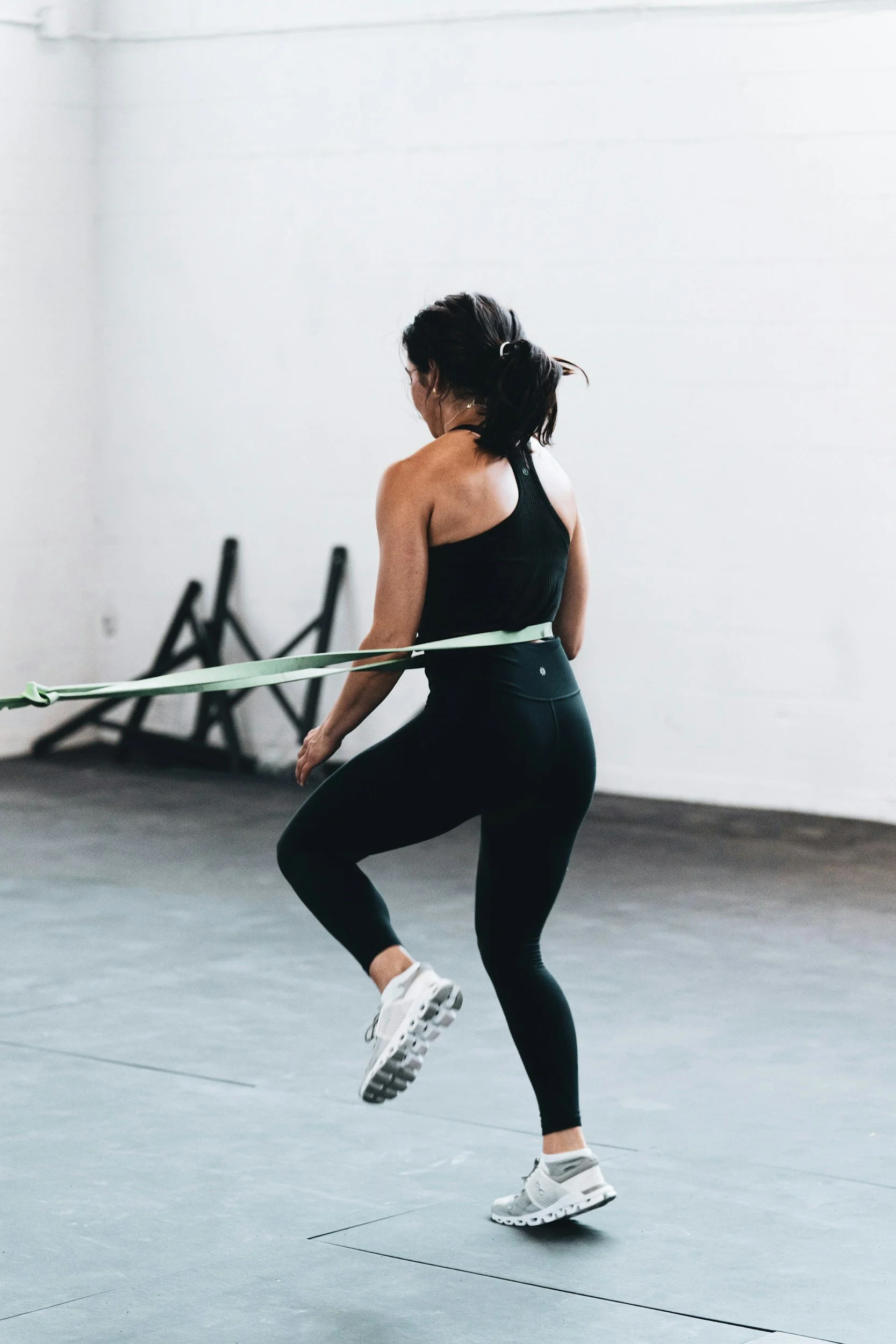
Menopause is a natural stage of life when a woman’s menstrual cycle ends, usually between the ages of 45-55. During this time, hormone levels change, which can affect energy levels, mood, sleep, and body composition. While these changes are normal, regular exercise can help manage many of the common symptoms and support long-term health.
During and after menopause, changes occur that can affect heart health, bone composition, musculoskeletal pain, muscle mass, joint pain and even brain cognition. Exercise can play a significant role in helping your body deal with insulin resistance and cortisol sensitivity (sometimes responsible for excess belly fat), along with helping you stay strong and enhance quality of life.
Why exercise during menopause?
Exercise becomes especially important during menopause because it helps support your body through these hormonal changes. Staying active can help:
Maintain muscle mass and strength – support your function and independence
Support bone health and reduce risk of osteoporosis
Improve heart health
Help manage weight and metabolism
Reduce stress and improve mood
Improve sleep quality
Reduce joint pain and stiffness
It is also widely known that the gradual loss of muscle mass and strength is accelerated during menopause. A recent study found that declines in estrogen, progesterone and testosterone are strongly associated with loss of strength and power, particularly of the quadriceps (thigh muscles). Strength exercise therefore helps to maintain and even increase muscle mass. Regular movement can also lower the risk of chronic conditions developing such as heart disease, type 2 diabetes, and osteoporosis.
How to start exercising
The best type of exercise is one you enjoy and can do consistently. A mix of different types of movement is ideal, including:
Strength training with weights, resistance bands or even bodyweight (to maintain muscle and bone health) *Remember strength training doesn’t have to be in the gym.
Aerobic exercise like walking, cycling, or swimming (to support heart health)
Balance and flexibility exercise such as yoga or stretching
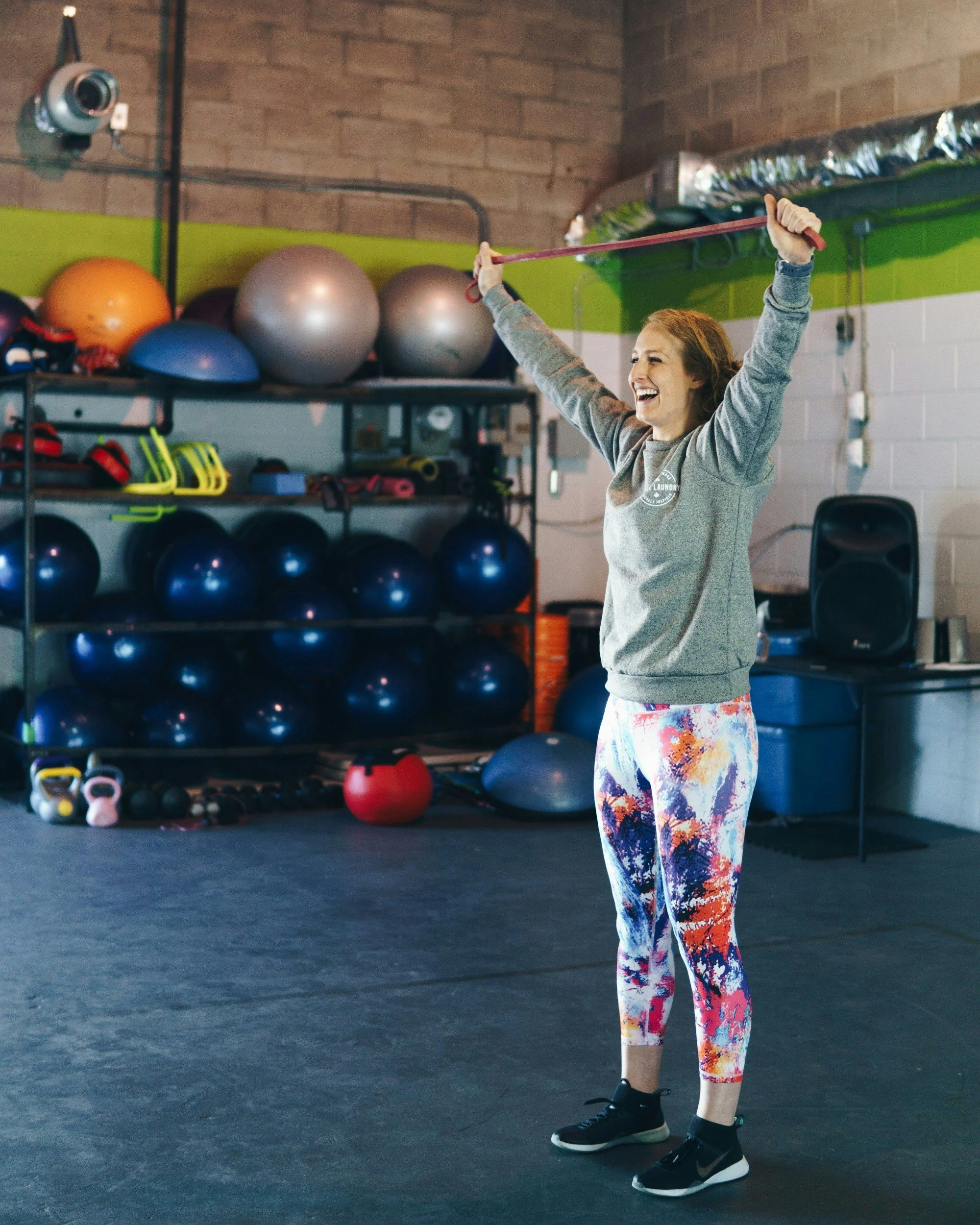
If you’re new to exercise, start small and build gradually.
For example:
1-2 strength session per week
10–20-minute walk or cycle on few days per week
The general recommendation is 150 minutes of moderate intensity aerobic activity each week, plus two strength sessions, but this can be built up over time.
Menopause is a transition, not a decline. With the right approach to exercise, many women can feel stronger, more energetic, and more confident during this stage of life.
If you want to find out more or receive more guidance on where to start, book in an assessment with our Exercise Physiologist or Women’s Health Physiotherapist.